
Dubai's healthcare free zone
Patient data rules inside Dubai Healthcare City
Every healthcare facility licensed in Dubai Healthcare City answers to the DHCC Authority on patient data and cybersecurity. We map those requirements to one control set and keep the evidence ready for your next review.
Get ready for your DHCC review
The patient-data and cybersecurity side of your facility licence
DHCC is a free zone with its own healthcare regulator.
Dubai Healthcare City is a healthcare free zone in Dubai with hospitals, clinics and medical centers. The DHCC Authority licenses facilities, sets standards for clinical practice, infection control and operations, and inspects against them. Patient-data and cybersecurity requirements sit alongside those clinical standards, and that information side is the part we cover.
One control set for the information side of your DHCC licence.
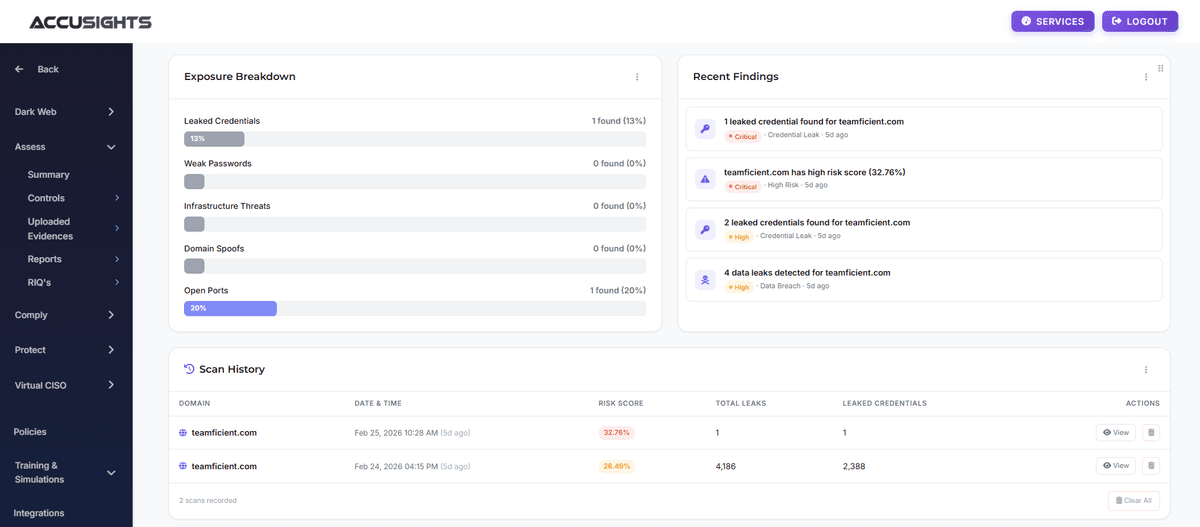
Prepare the DHCC licence file we can speak to
A DHCC licence file covers facility documentation, equipment, clinical protocols, quality systems and staff credentials. We do not prepare those. What we prepare is the part of the file that is about information: how patient data is protected, who can reach it, how the systems are secured, what happens after an incident, and the evidence behind each answer. AccuSights focuses on the cybersecurity, privacy, information-governance and technology-control requirements relevant to healthcare organizations. Clinical licensing, patient-safety and medical-quality requirements remain with the facility and its specialist clinical advisers.
The information part of the licence file, with the evidence behind each answer.
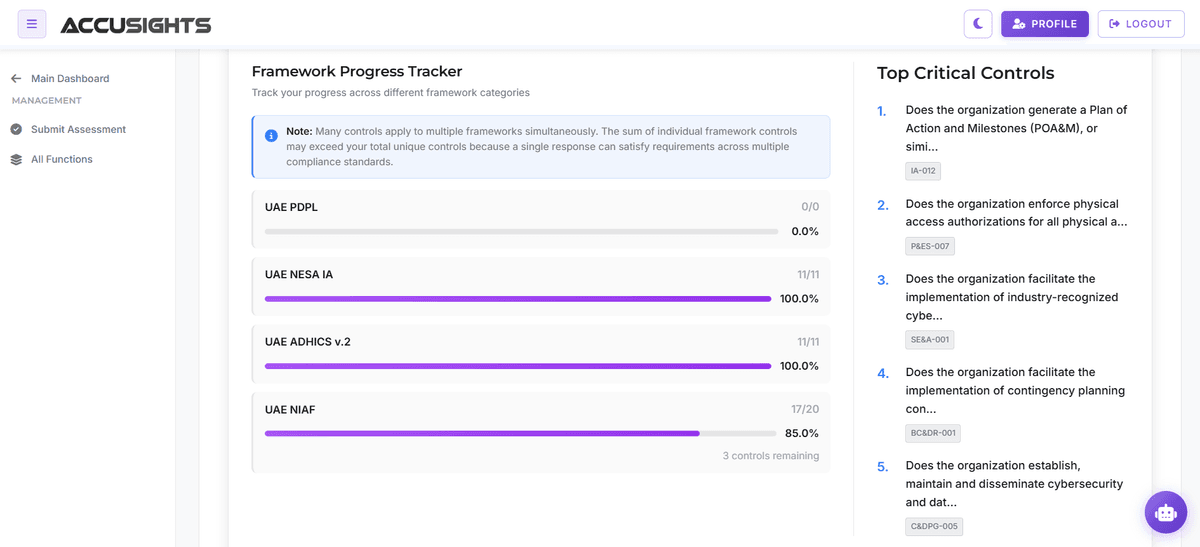
Protect health data under the federal regime
Federal Law 2 of 2019 keeps health data inside the UAE unless a health-authority decision permits otherwise, and the PDPL governs the personal data you hold alongside it. DHCC adds its own requirements on consent, disclosure and the security of the systems that hold patient information. We map those duties onto one control set, assess where the practice system, the imaging software and the patient archive actually stand, and track the gaps to closure.
Data residency, consent and disclosure duties mapped to one control set.
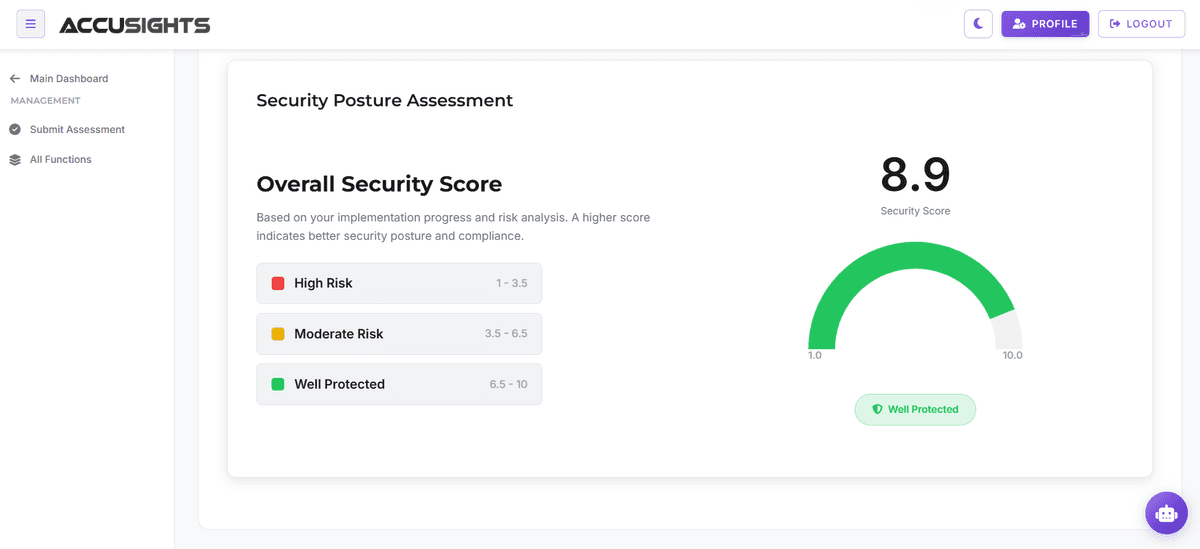
Control who can reach the patient record
Every access to a patient record should be attributable, and the trail should outlast the person who made it. That means named accounts rather than shared logins, multi-factor authentication on anything reachable from outside, least privilege by role, access removed the day someone leaves, and audit logs that someone actually reads. We assess these against what DHCC and the federal health-data regime expect, and show you which systems fall short.
Named accounts, least privilege and audit logs that someone reads.
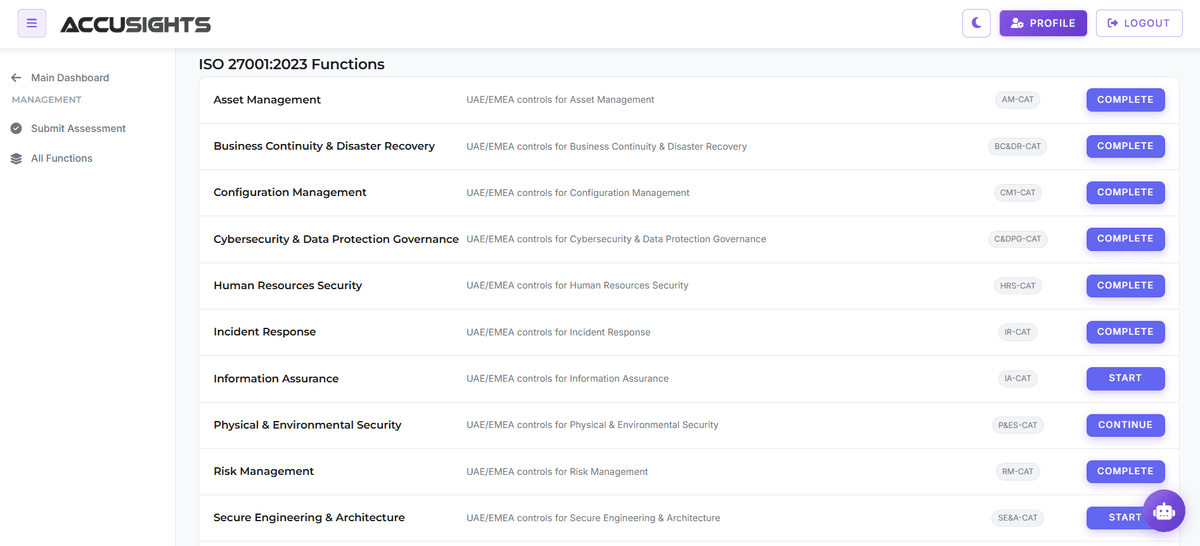
Connect to NABIDH securely
Joining NABIDH means a live link between your systems and a national record, and the security of that link is yours to hold up. We look at how the integration authenticates, whether the credentials behind it are managed or pasted in a config file, what is encrypted in transit, who inside your organization can query the exchange, and whether every one of those queries leaves a trail. Then we keep that picture current rather than true only on the day it was signed off.
The integration secured, access governed and every query logged.
Be ready for the day the system stops
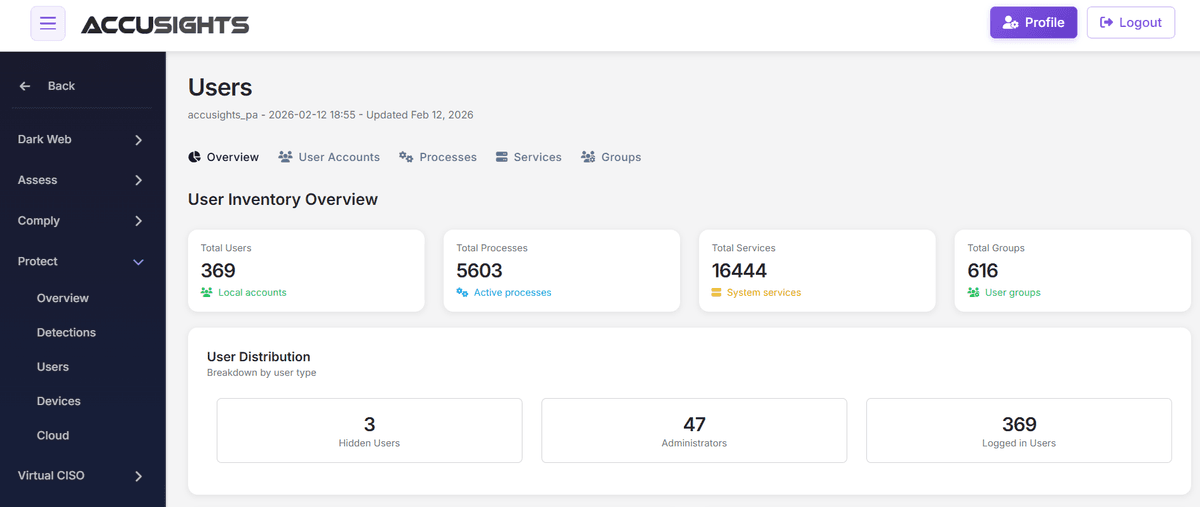
A practice that cannot reach its records cannot see patients. What decides how long that lasts is ordinary: isolated backups with a restore you have watched work, a written incident procedure rehearsed before it is needed, and a notification path that matches what DHCC, the PDPL and the federal health-data law each require, because they are not the same path. We assess the controls, rehearse the procedure with you, and keep the evidence current between reviews.
Tested restores, a rehearsed procedure and the right notification path.
Prepare for DHCC inspections
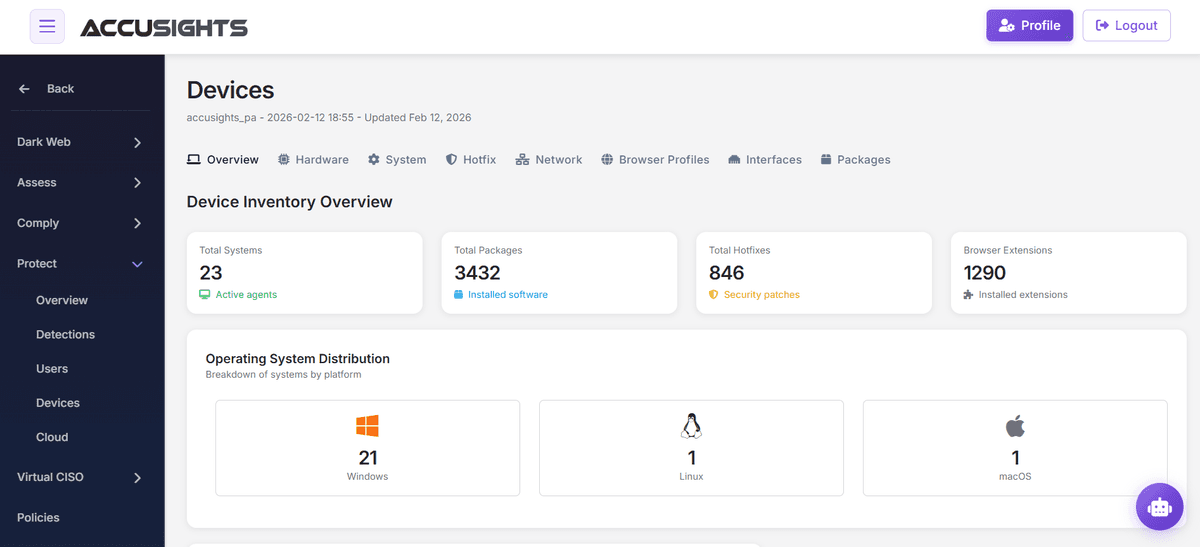
DHCC inspections examine facility conditions, clinical practice, quality systems and the information side: data protection, access control, system security and incident readiness. We keep the information-side evidence current between visits, so that half of the inspection is a report you already hold rather than a scramble. The clinical and facility half stays with you and your clinical advisers.
Information-side evidence kept current between inspections.
Why Healthcare Facilities Choose This Path
From the first gap assessment to information-side evidence ready for DHCC review.
Facilities working with us:
Evidence for the License File
Documentation for the patient-data and cybersecurity sections of your DHCC application, kept current between reviews instead of rebuilt for each one.
Ready for Inspection
Each information control has an owner and current evidence, so an inspector asking for proof gets a document the same day.
Govern the Information
Named owners, real policies and a record of who decided what, so the information half of a DHCC review has someone standing behind it.
Control Access
Named accounts, least privilege and audit logs that get read, so every touch of a patient record is attributable.
Keep Care Running
Isolated backups with a tested restore and a rehearsed incident procedure, so an outage is measured in hours rather than weeks.
Secure the NABIDH Link
The NABIDH integration checked for authentication, credentials, encryption and logging, with that picture kept current.
Built for Dubai Healthcare City readiness and continuous free-zone compliance management.
What DHCC asks of a licensed facility
DHCC's requirements are wide. We cover the information half of them.
DHCC imposes extensive requirements on healthcare facilities covering licensing, clinical standards, infection control, patient safety, medical records, equipment, staffing, and more. We address the information half of those requirements systematically, keep the evidence behind it current, and have it ready for DHCC oversight. The clinical, facility and staff-credential half stays with you and your clinical advisers.
We cover the information side and keep its evidence current.
AccuSights focuses on the cybersecurity, privacy, information-governance and technology-control requirements relevant to healthcare organizations. Clinical licensing, patient-safety and medical-quality requirements remain with the facility and its specialist clinical advisers.
DHCC Regulatory Requirements
What DHCC requires of a facility; we cover the information side